


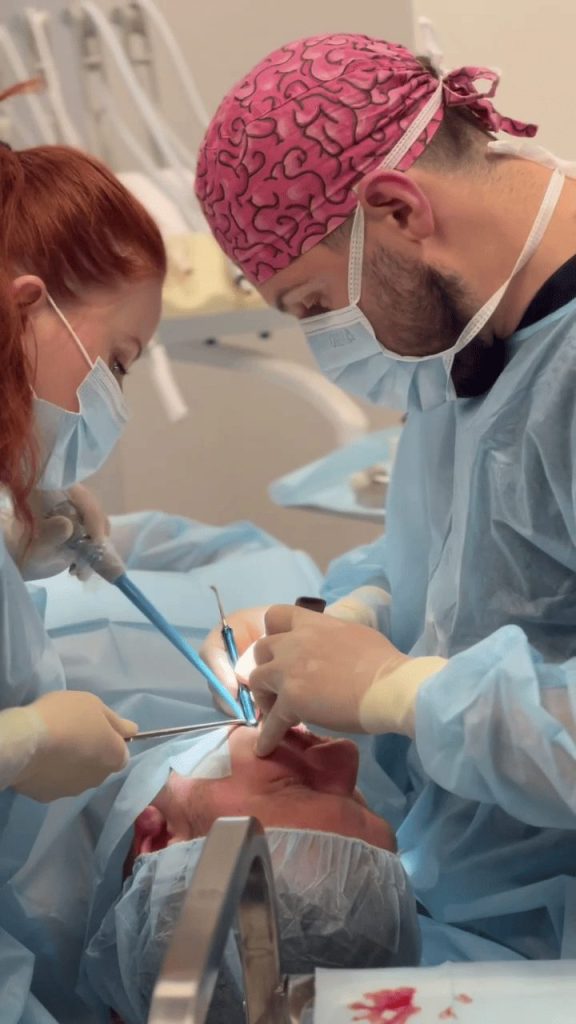
Soft tissue transplantsStomoClinic Wrocław

Soft tissue grafts are one of the important procedures in modern dentistry. They are used primarily to treat gum recession and improve the aesthetics of the smile. In the article, we explain what this procedure is, in which cases it is used, and what benefits and potential risks are associated with it.
What are soft tissue grafts?
Soft tissue grafts are procedures involving the transfer of a patient’s own tissues or artificial biomaterials to an area of the mouth where gums have been lost or deficient for various reasons. In dentistry, gum grafts – the thin soft tissue covering the alveolar bone and the base of the teeth – are most commonly used.
The procedure is performed under local anesthesia and usually causes little discomfort to the patient. The main goals of soft tissue grafts are to cover exposed tooth roots, strengthen the gums and improve the aesthetics of the dentition.
When are soft tissue grafts used?
Gum grafts are indicated in many situations. They are most often recommended in the case of:
- Gum recession – situations where the gum tissue retracts, exposing the root of the tooth, which can lead to increased tooth sensitivity and the risk of tooth decay.
- Soft tissue deficiency around dental implants – the graft helps provide stability and aesthetics around the inserted implants.
- Improve smile aesthetics – when the gum line is uneven or excessive areas of tooth roots are visible, tissue grafting can improve aesthetic harmony.
- Treating areas with hypersensitivity – the graft covers the exposed roots, thus reducing sensitivity to hot, cold, sweet and sour tastes.
Prior to the procedure, a thorough diagnostic examination is required, during which the dentist assesses the condition of the gums, adjacent structures and the overall condition of the patient’s mouth.
What does the soft tissue transplant procedure look like?
The treatment usually consists of several stages:
- Preparing the patient – the dentist assesses oral health, plans the procedure and discusses all the details with the patient.
- Tissue harvesting – for autogenous grafting, tissues are taken from other areas of the mouth, such as the palate. Alternatively, biomaterials can be used.
- Transplantation – the harvested tissues are implanted in the target site through special surgical techniques.
- Suturing and healing – the implanted tissue is secured with sutures, and the patient is given instructions on wound care.
After the procedure, proper oral hygiene and avoidance of factors that could negatively affect the healing process, such as smoking and eating hard foods, are recommended.
FAQ – frequently asked questions about soft tissue transplants
Are soft tissue grafts painful?
The procedure is performed under local anesthesia, so the patient feels no pain during the procedure. After the procedure, there may be slight discomfort or swelling, which usually subsides after a few days.
How long does it take to heal after the procedure?
The total healing time is usually 4 to 6 weeks. The most important period, during which the tissues integrate and require special protection, is the first 2-3 weeks.
Can transplanted tissues fail to take?
The risk of graft rejection is minimal, especially if the patient’s own tissues are used. Key to the success of the procedure are proper oral hygiene and adherence to the doctor’s instructions.
How much does a soft tissue transplant cost?
The price of the procedure depends on the difficulty and scope of the procedure, as well as the material used (self-tissue or biomaterials). However, it is important to remember that it is an investment in the health of the gums and the aesthetics of the smile.
Summary – why consider soft tissue grafts?
Soft tissue grafting is a procedure to effectively treat gum recessions, improve smile aesthetics and protect teeth from excessive sensitivity and damage. Thanks to modern dental technologies, this procedure is safe and has a high success rate, provided that the doctor’s instructions are followed.
If you notice symptoms of gum recession or want to improve the appearance of your smile, contact our dental clinic in Wroclaw – STOMO Clinic. Make an appointment for a consultation, and our specialists will advise the best solution tailored to your needs.
Dental Surgery in Wroclaw
-
700zł
-
Price range: 800zł through 1 000zł
-
600zł
-
Price range: 950zł through 1 600zł
-
Price range: 700zł through 1 300zł
-
450zł
-
200zł
-
3 000zł
-
3 000zł
-
Price range: 2 500zł through 4 000zł
* The prices given do not constitute a commercial offer within the meaning of Article 66 § 1 of the Civil Code.
The prices given are for reference only. The exact price list is available in our clinic.
The total costs of treatment are given by the doctor during the visit.
Phone: 71 880 90 50


