


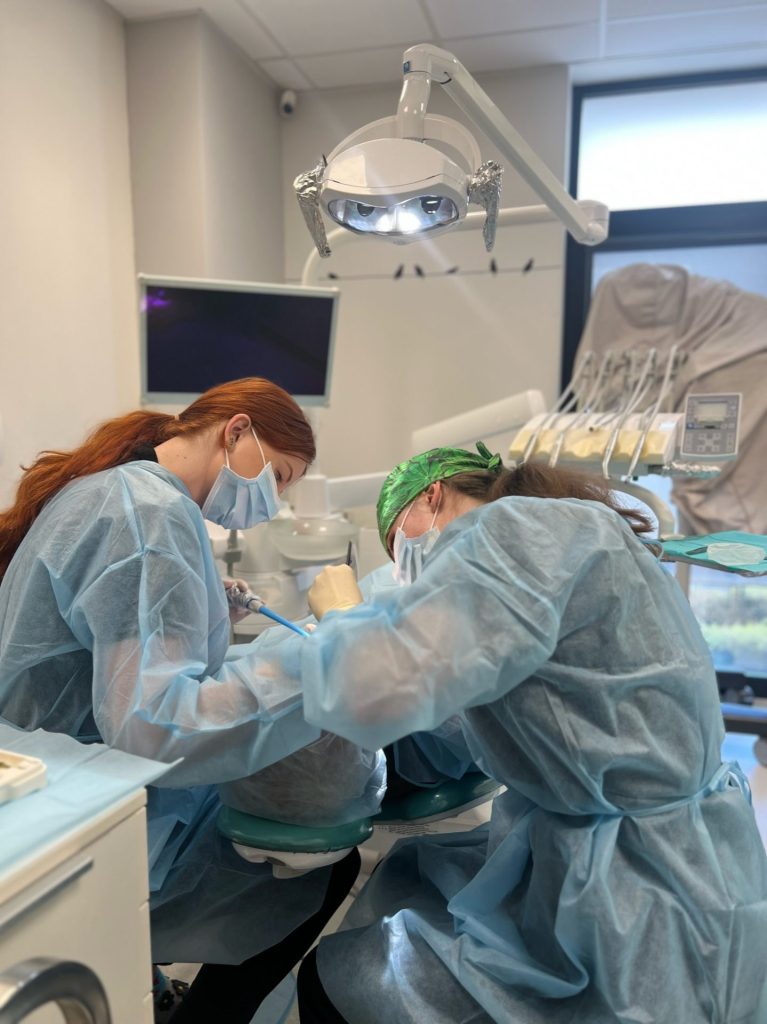
Bone transplantsStomoClinic Wrocław

Bone grafts, also known as bone augmentation, are procedures used in dentistry to rebuild lost bone tissue in the maxilla or mandible. They are used extensively, especially in preparation for implant treatment, where a stable bone base is essential for proper placement of dental implants.
Bone loss can result from a number of factors, such as advanced periodontal disease (periodontopathy), tooth extractions, mechanical trauma or long-term absence of teeth. Thanks to modern technologies and biocompatible materials, it is possible to effectively rebuild bone structure and restore oral function.
Indications for bone grafting
Not every patient requires a bone graft procedure. An implant specialist will carefully evaluate the condition of the bone using imaging studies, such as CT scans, to determine whether a transplant is necessary. The most common indications for bone grafting are:
- Preparation of the jaw for dental implant placement.
- Bone atrophy (atrophy) after long-term tooth loss.
- Bone protection for periodontal disease leading to bone degradation.
- Correction of anatomical defects, such as bone deficits or abnormalities in the jaw structure.
Methods of bone transplantation: autogenous, allogeneic and synthetic
Bone grafts can be made from a variety of materials, depending on the patient’s needs and the location of the bone defect. Among the most commonly used methods are:
- Autogenous grafts: bone material comes from the patient’s body, such as from the hip bone, jawbone or chin area. This is the most effective, but also a more invasive method, requiring a second surgical site.
- Allogeneic transplants: Bone from a donor – usually from deceased persons – is used. The material is pre-treated to prevent immune reactions.
- Synthetic materials: These are artificially manufactured bone substitutes, such as hydroxyapatite or calcium phosphate, which promote bone regeneration and are fully biocompatible with the body.
Step by step bone grafting – how does the procedure proceed?
The process of bone grafting can vary depending on the method and location of the defect, but the standard course is as follows:
- Carry out a thorough diagnosis, including X-rays or CT scans.
- Patient preparation: detailed discussion of the procedure and preoperative recommendations.
- Local or general anesthesia depending on the complexity of the procedure.
- Implantation of bone material in place of the defect according to the chosen method.
- Closure of the wound and placement of sutures.
- The healing period, which lasts from several months to a year – during this time the bone is integrated with the graft material.
Once the regeneration period is complete, it is possible to continue treatment, for example by placing dental implants.
FAQ – the most common questions about bone grafting
Is a bone graft painful?
Using modern techniques and effective anesthetics, the procedure is completely painless. During the healing period, however, patients may experience slight discomfort, which can be controlled with painkillers.
How much does a bone graft cost?
The cost of a bone graft depends on the severity of the defect, the method used and the bone material chosen. Average prices in Poland range from several to several thousand zlotys.
How long is the procedure and recovery period?
The transplant procedure itself takes from 30 minutes to several hours, depending on the scale of the defect and the technique used. The healing process takes 3 to 12 months, during which time the bone tissue regenerates and integrates with the graft.
Can anyone undergo a bone transplant?
Bone grafts are available for most patients, but there are some contraindications, such as uncompensated diabetes, osteoporosis or oral infections. A qualified dentist will conduct a thorough health evaluation before deciding on the procedure.
Summary – why opt for bone grafts?
Bone grafting is a safe and effective way to restore bone defects in the mouth, especially before implant treatment. Thanks to modern technologies and materials, it allows to restore full functionality of the oral cavity and aesthetics of the smile.
If you are struggling with bone loss or planning to get dental implants, consult the experts at Stomo Clinic in Wroclaw. Our team of specialists offers a comprehensive approach to treatment, tailored individually to each patient.
Make an appointment today and keep your smile healthy!
Dental Surgery in Wroclaw
-
700zł
-
Price range: 800zł through 1 000zł
-
600zł
-
Price range: 950zł through 1 600zł
-
Price range: 700zł through 1 300zł
-
450zł
-
200zł
-
3 000zł
-
3 000zł
-
Price range: 2 500zł through 4 000zł
* The prices given do not constitute a commercial offer within the meaning of Article 66 § 1 of the Civil Code.
The prices given are for reference only. The exact price list is available in our clinic.
The total costs of treatment are given by the doctor during the visit.
Phone: 71 880 90 50


