


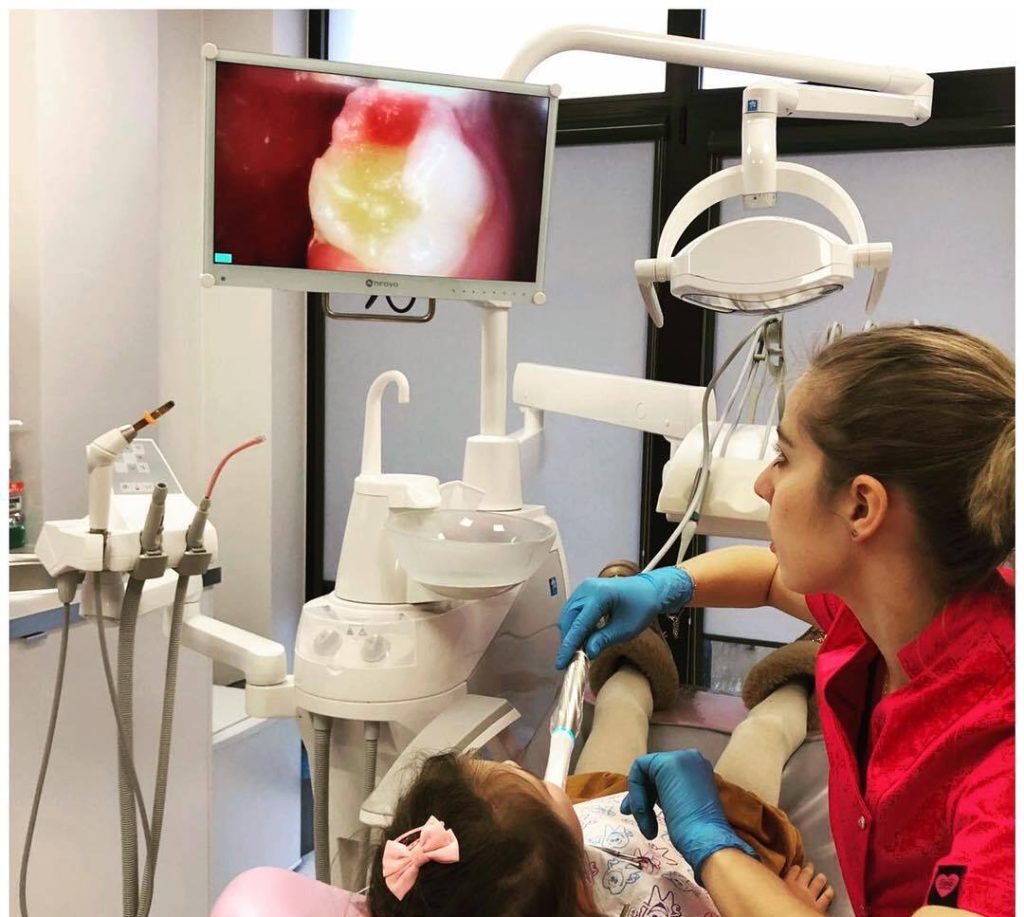
Treatment of deciduous teeth

Treatment of Milky Teeth is an extremely important part of caring for children’s oral health. Milk teeth play an important role in shaping the proper development of permanent teeth, so their proper care and treatment are crucial. In this article, we will discuss the most common problems that can occur in the youngest patients, such as decay or trauma, and present treatment methods that will help maintain the health of milk teeth. You will learn how to respond to dental problems in children to ensure a beautiful and healthy smile for years to come.
Introduction to Treating Milky Teeth.
Baby teeth, otherwise known as temporary teeth, play a key role in the proper development of a child’s mouth. Many people mistakenly believe that their health is not very important, since they will be replaced by permanent teeth anyway. However, the health of milk teeth directly affects the health of the entire oral cavity, so proper treatment and care are extremely important.
The Importance of Milky Teeth Health
Healthy milk teeth perform several important functions. First of all, they help in the proper chewing of food, which is important for digestive processes. In addition, it provides the basis for proper pronunciation and affects the aesthetics of the smile. Damage at this stage can lead to malocclusion, which may require orthodontic treatment in the future.
The Most Common Problems of Milky Teeth.
Due to their structural characteristics, milk teeth are particularly susceptible to decay. There are several common problems associated with milk teeth:
- Caries – the most common problem that can lead to pain and infection.
- Dislodgement of deciduous teeth before the appropriate time – can lead to displacement of permanent teeth.
- Mechanical damage – such as fractures that can occur due to trauma.
How does the treatment of milk teeth proceed?
The treatment of deciduous teeth is similar to permanent teeth, but requires specialized knowledge of pediatric dentistry. The process involves several key steps:
- Diagnosis – a preliminary examination to assess the condition of the teeth and mouth.
- Removal of caries – infected tissues are removed, and then the tooth is filled with a suitable material.
- Fluoridation – a treatment that strengthens teeth, which become more resistant to acids.
- Protecting teeth with varnish – helps prevent recurrence of caries.
FAQ: Frequently Asked Questions
1. do milk teeth need to be treated?
Yes, milk teeth must be kept in, the best possible condition, because their health affects the development of permanent teeth and the entire oral cavity of the child.
2. when is the best time to instill the habit of regular dental visits?
It is recommended that a child’s first visit to the dentist take place within six months of the appearance of the first deciduous tooth, before the age of one at the latest.
3. What materials are most commonly used to fill deciduous teeth?
Composite or glass ionomer materials are most often used to fill deciduous teeth, which are aesthetically pleasing and adhere well to the teeth.
Summary
Treatment of deciduous teeth is crucial for the proper oral development of children. Although they are temporary, their health greatly affects the future of permanent teeth and the entire speech apparatus. Regular visits to the dentist, proper oral hygiene and prompt response to emerging problems can prevent many serious complications. It is important to remember that healthy habits and proper dental care contribute to a child’s overall health and well-being.
Take a look at our pediatric dentistry offerings on the Stomo Clinic website and take care of your child’s beautiful smile today!
Phone: 71 880 90 50


