


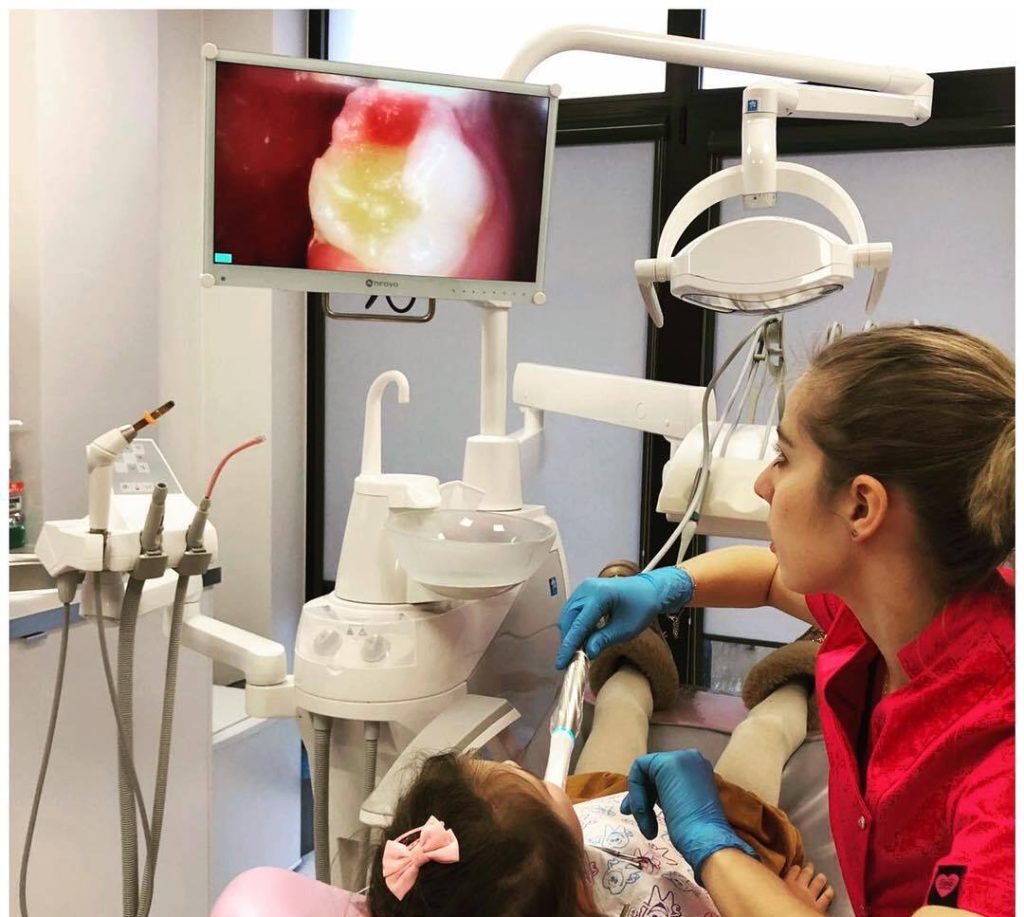
Treatment of permanent teeth in children

Stabilizing teeth after trauma is a key part of the treatment process to ensure that teeth function properly after injuries. Children, because of their activities, are particularly vulnerable to oral injuries that can affect the stability of their teeth. In this article, we’ll discuss how children’s teeth are stabilized after injuries, what treatments are used to restore normal tooth function, and what steps should be taken to avoid long-term problems. You’ll learn the importance of quick response and proper treatment so that your child can enjoy a healthy and full smile after an injury.
Dental injuries in children are common situations that can lead to serious dental problems if not properly diagnosed and treated. Stabilizing teeth after injuries helps ensure their proper development and maintain a healthy smile.
Causes of Dental Injuries in Children
In children, dental injuries often result from physical activities such as contact sports, playground accidents or falls at home. Young age, increasing motor skills and a tendency to explore make children more susceptible to such incidents.
How to Recognize a Tooth Injury in a Child?
Often, an injury to a tooth is easily seen by visible damage, such as a chipped, displaced or completely knocked-out tooth. However, some injuries may be more subtle and require a more thorough diagnosis through dental examination.
Stabilization of Teeth after Trauma – Treatment Methods.
After diagnosing a tooth injury, the dentist decides on the most appropriate treatment method. Depending on the type of injury, available methods may include:
- Teeth splinting: If your teeth are displaced, your dentist may use special splints to help stabilize them and align them properly.
- Root canal treatment: In more serious cases, where trauma has compromised the pulp of the tooth, root canal treatment may be necessary.
- Observation: In some cases, especially with smaller lesions, it is advisable to visit the dental office regularly and observe healing.
Recommendations After Teeth Stabilization in Children
After tooth stabilization, it is important to follow the dentist’s recommendations. These include:
- Avoiding hard foods that can lead to re-injury.
- Regular follow-up visits to the dentist to monitor the healing process.
- Proper oral hygiene to prevent infections.
Stabilization of Teeth in Children – FAQ
Does every tooth injury require an immediate visit to the dentist?
Yes, in the case of a tooth injury, it is advisable, as soon as possible, to consult a dentist to assess the extent of the damage and apply the appropriate treatment.
Do milk teeth always need treatment after trauma?
Treatment of deciduous teeth depends on the degree of damage and the age of the child. In some cases, action is needed to avoid problems with permanent teeth.
How can I protect my child from dental injuries?
You might consider using mouthguards when playing contact sports and educating your child about caution when playing.
What to do if a child’s tooth is knocked out?
If a child’s tooth is knocked out, a dentist should be consulted as soon as possible. If it is a permanent tooth, it is worth trying to preserve it in saline solution and bring it to a dentist, who may consider replantation.
Summary
Stabilizing children’s teeth after trauma is a key part of maintaining their health and proper oral development. Regular dental check-ups and proper trauma protection can significantly reduce the risk of serious dental problems in the future. By ensuring proper protection and responding to injuries in a timely manner, we can ensure that our kids have healthy smiles for years to come.
Phone: 71 880 90 50


