


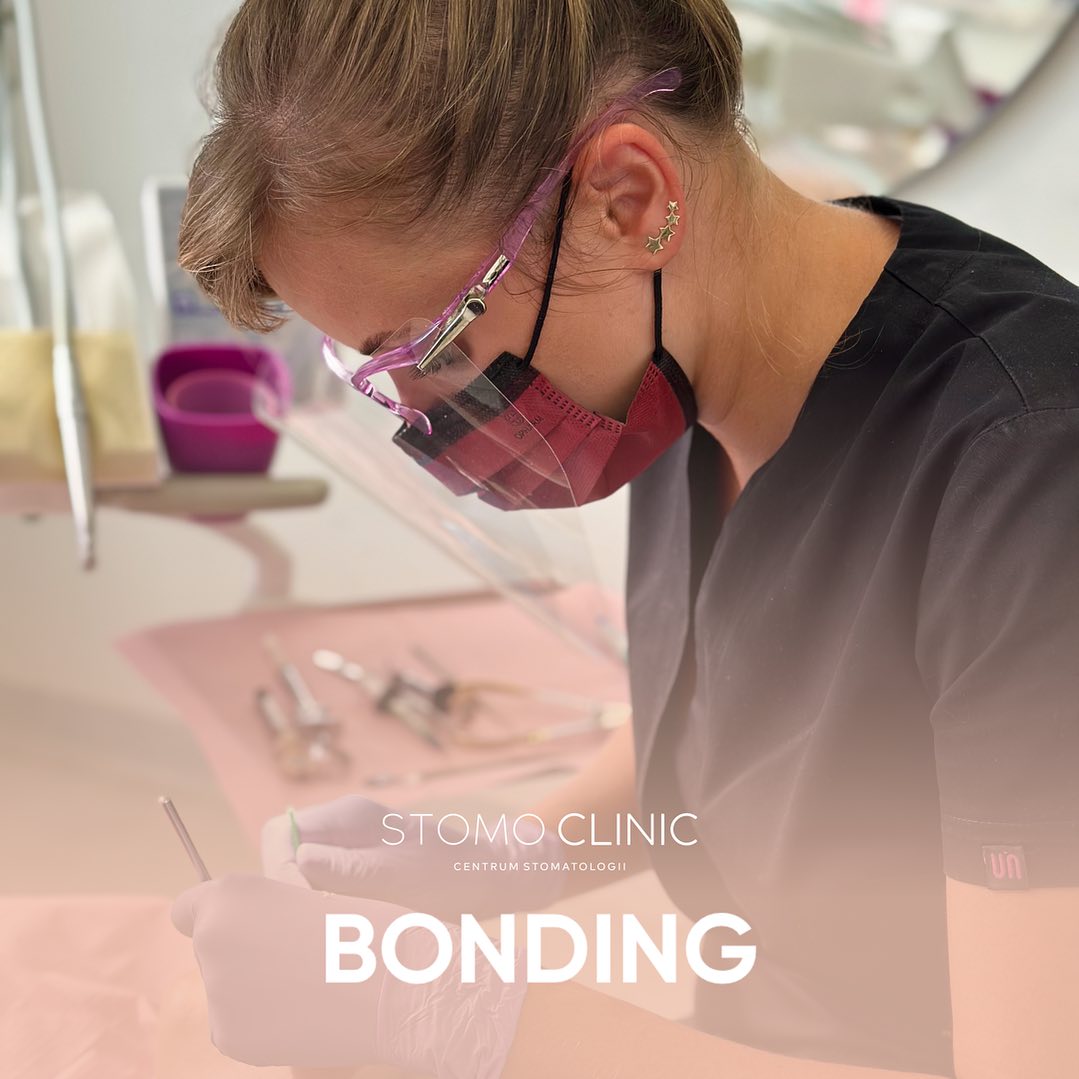
Description
Bonding: Tooth Build-up in Length and Width
Each of us dreams of a beautiful, healthy smile. It is our calling card, boosts self-confidence, and influences
our relationships with others. Unfortunately, sometimes teeth require correction – they may be too short, too narrow,
or simply not match the rest of the dentition. In such cases, bonding comes to the rescue, which is
one of the most modern methods of tooth reconstruction in length and width.
Why choose bonding?
One of the greatest advantages of bonding is its versatility. This procedure allows for:
- Correction of tooth shape: We can lengthen a tooth that is too short or widen one that is too narrow, thanks to
which the entire smile line will be more symmetrical. - Repair of damage: Bonding is ideal for filling small cavities that may
arise from mechanical injuries. - Masking discolorations: The composite material used in bonding is available in
various shades, allowing it to perfectly match the natural color of the teeth. - Speed and convenience: The entire procedure can be completed during a single visit, which is a huge
advantage for individuals who value their time.
What does the bonding process involve?
The bonding process consists of several steps:
- Consultation: The first stage is a consultation with a dentist, who will assess the condition of your teeth
and decide whether bonding is an appropriate treatment method. - Tooth preparation: Next, the dentist prepares the tooth for the procedure by lightly grinding its
surface. This is necessary for the composite material to adhere well to the tooth. - Material application: The next step is to apply a layer of composite to the tooth, which is
modeled to achieve the desired shape and size. The dentist uses special tools to
precisely form the material. - Curing: After the composite is applied and shaped, it is hardened using a polymerization lamp.
This makes the material durable and resistant to damage. - Final finishing: Finally, the dentist makes minor adjustments, polishes the tooth, and
checks that the overall result looks natural and harmonious.
Is it durable?
The durability of bonding depends on several factors, such as:
- Oral hygiene: Regular brushing and flossing are crucial for maintaining the effect of
the procedure. - Diet: It is advisable to avoid excessive consumption of hard foods and beverages that can
cause discoloration, such as coffee or red wine. - Regular dental visits: Dental check-ups will allow for monitoring the condition of the teeth
and, if necessary, prompt response to any potential issues.
Phone: 71 880 90 50


