


What malocclusion is treated by Invisalign
Does Invisalign treat all malocclusions?
Yes – Invisalign can be used to treat many malocclusions, including more complex ones. Most commonly, this includes crowding of teeth, gaps between teeth, vertical overbite, open bite, crossbite and anterior overbite. However, whether overlays will be a good solution is determined by careful diagnosis and an individualized treatment plan.
What malocclusion can be treated with Invisalign?
Below you will find the most common malocclusions for which the following are used Invisalign overlay treatment. This is a brief guide to the most important cases – more detailed descriptions of each defect are worth developing on separate subpages.
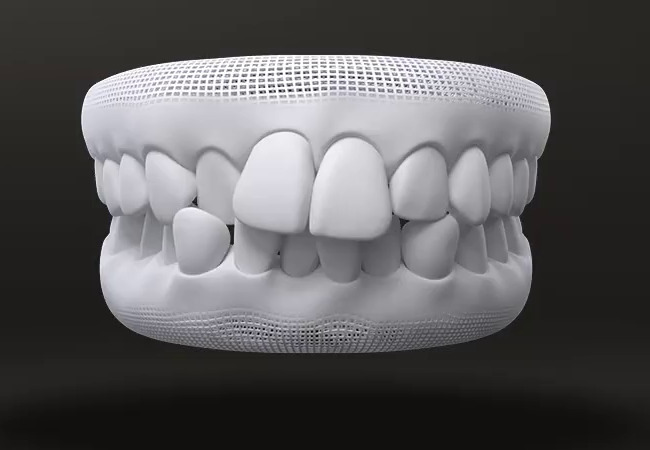
Teeth crowding
Crowding occurs when there is a lack of space in the dental arch and teeth begin to overlap. Invisalign often works well in such cases, helping to gradually reorder the alignment of the teeth.

Gaps between teeth
Visible gaps between teeth (Asparism) is not only a matter of aesthetics, but sometimes also of bite function. Invisalign can be used to close such spaces as part of individually planned treatment.
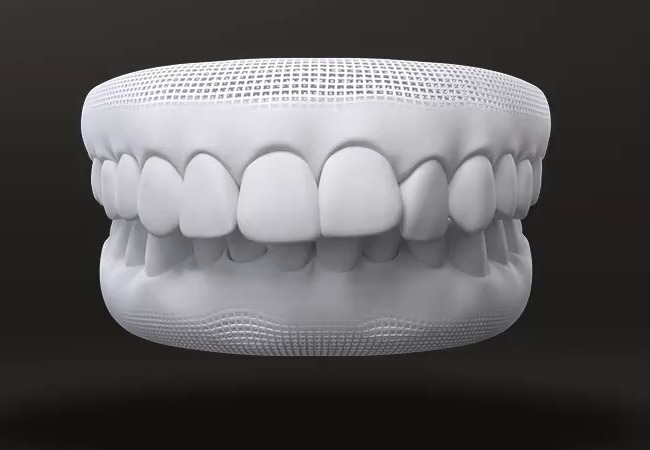
Vertical overbite
Vertical overbite means that the upper teeth cover the lower teeth too much. In many cases, such a defect can be treated with Invisalign, but the extent of treatment depends on the severity of the problem.
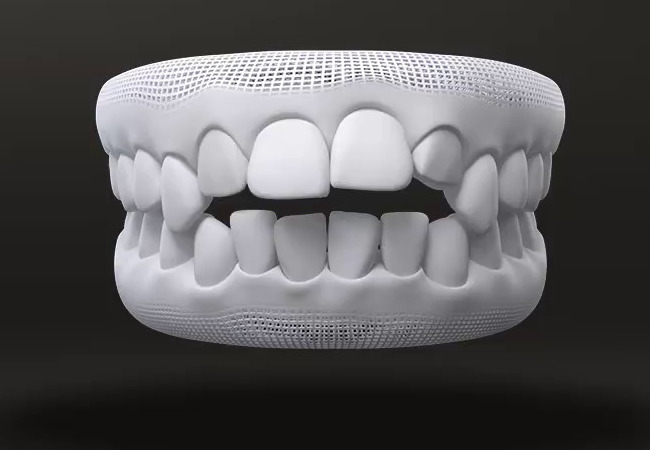
Open bite
With an open bite, some of the teeth do not contact each other properly during occlusion. Invisalign can be part of the treatment for this defect if the bite conditions allow for effective correction.
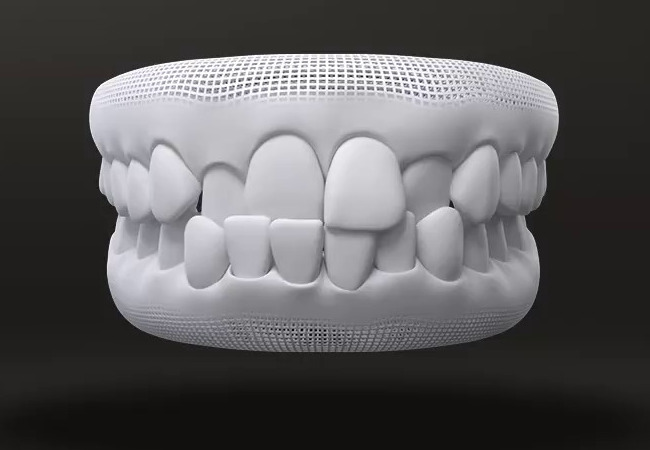
Crossbite
Crossbite is an abnormal relationship between selected upper and lower teeth. In appropriately qualified cases, Invisalign treatment can help improve tooth alignment and occlusion.
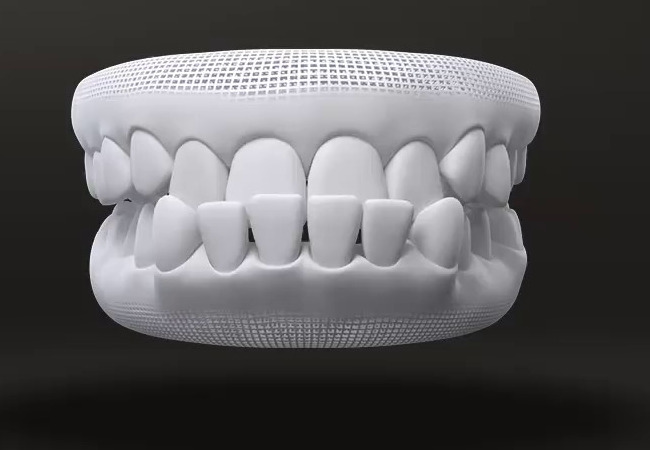
Forebite
An overbite requires a thorough orthodontic evaluation, as not every case looks the same. Invisalign can also be used for this defect, but the treatment plan always depends on the structure of the bite and the goal of the therapy.
What determines whether Invisalign is a good solution?
The name of the malocclusion alone is not decisive. Among other things, its severity, the relationship between the dental arches, the amount of space in the arch, the alignment of the teeth and the expected effect of the treatment are significant. Therefore, qualification for Invisalign should always be based on a consultation and thorough diagnosis.
See what the treatment looks like Invisalign in Wroclaw
Why can the same malocclusion look different in different patients?
Because behind the similar appearance of the teeth can be completely different bite conditions. For one person, a simpler correction is enough, and for another, more complex treatment is needed. In orthodontics, the label of the defect itself is not treated – the specific case is treated.
Not sure if Invisalign will work for you?
During your orthodontic consultation, we will assess the type of malocclusion, perform diagnostics and tell you directly whether Invisalign will be a good solution in your case.
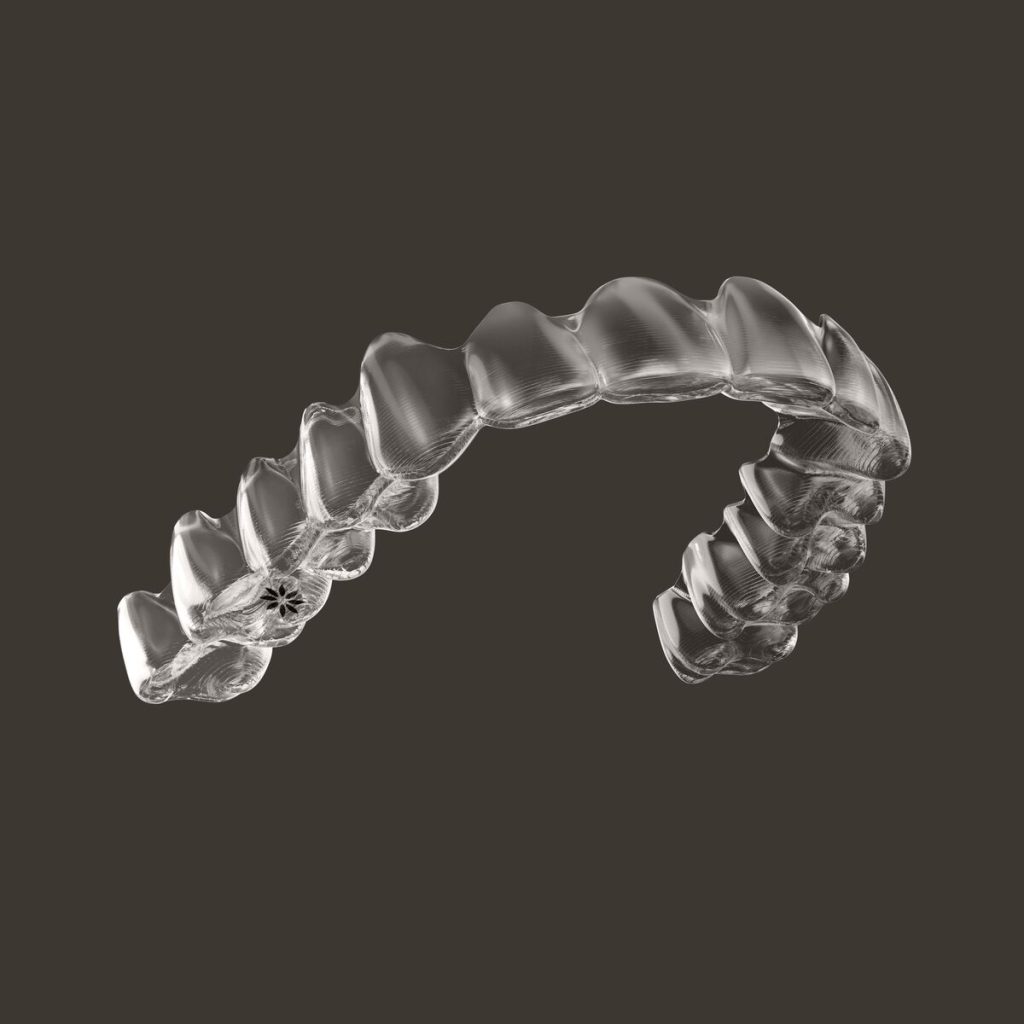
The most common questions about malocclusion and Invisalign
Does Invisalign only treat mild malocclusion?
No. Invisalign can be used for both simpler and more complex malocclusions. Treatment options are always determined by an orthodontic consultation and individualized treatment plan.
Can every malocclusion be treated with Invisalign overlays?
Not every case qualifies for the same treatment. The extent of treatment depends on the type of defect, the severity of the defect and the patient’s bite conditions.
Does the same malocclusion look the same in different patients?
No. Even a similar-looking defect may require a different treatment plan, because it is not only the alignment of the teeth that matters, but also the occlusal relationships and anatomical conditions.
What does the Invisalign treatment plan depend on?
The treatment plan depends on the diagnosis, the type of defect, the expected effect and the course of treatment planned by the orthodontist.


