


Orthodontic braces types – table of contents
Braces types – which braces to choose?

Braces types are one of the most important things to know before starting orthodontic treatment. There are many different braces to suit the patient’s age, the type of malocclusion and expectations for comfort and aesthetics.
In this article, we introduce the available types of braces, their use, advantages and tips on how to choose the best treatment method. Whether you are looking for braces for a child, adolescent or adult, you will find all the necessary information here.
Orthodontic braces types – division and application
Orthodontic braces fall into three main categories: removable, fixed and overlays (clear aligners). Removable braces are mainly used for children and adolescents, when the jawbone is still developing. Fixed braces are the most common choice for treating adolescents and adults, providing precise tooth displacement. Transparent orthodontic trays, which are nearly invisible and comfortable to wear, are also becoming increasingly popular.
Here’s a look at what types of braces there are and their uses.
Removable braces – flexible treatment for children and adolescents
Removable braces are mainly used for children and teenagers, when the jawbone is still developing. They are worn for several to several hours a day, and their effectiveness depends on the patient’s regularity.
How do removable braces work?
Removable braces gently correct malocclusions, stimulating the correct development of the jaw and helping to align teeth in the optimal position. Their effectiveness depends on the regularity of wearing them – it is usually recommended to wear them for several to several hours a day, as recommended by the orthodontist.
The most commonly used removable braces:
- Schwarz plate – Helps expand the dental arch and prevents crowding of teeth.
- Block braces (Twin Block, Bionator) – used to treat malocclusions such as backbite and forebite.
- Trainer (Myobrace) – silicone appliance used mainly in the youngest patients to shape the correct position of the tongue and facial muscles.
Advantages of removable braces:
- Removable – the patient can remove the braces for meals and brushing teeth, which improves oral hygiene.
- Comfort of use – the absence of metal brackets and wires reduces the risk of mucosal irritation.
- Early intervention – the use of removable braces in children can prevent the need for treatment with fixed braces in the future.
For whom? Children and adolescents with mild to moderate malocclusion.
Fixed braces – effective correction for adolescents and adults
Fixed braces are one of the most common methods of orthodontic treatment, especially recommended for moderate to advanced malocclusion. Thanks to their design, they allow precise and permanent tooth displacement, providing optimal results even in difficult cases.

How do fixed braces work?
Fixed braces consist of several key components:
- Orthodontic brackets – glued to the surface of the teeth, they hold the orthodontic arch and transfer forces to the teeth.
- Orthodontic arch – a flexible wire that gradually straightens the teeth and puts them in the right position.
- Ligatures (rubber bands) – in traditional braces they hold the arch in the brackets, although modern self-ligating braces eliminate the need for them.
- Additional components – in some cases, springs, intermaxillary extractors or orthodontic mini-implants are used to speed up treatment.
Types of fixed orthodontic appliances:
- Metal braces – the classic and most economical version, made of durable stainless steel.
- Aesthetic braces (ceramic, sapphire) – less visible, matching the color of the teeth, ideal for those who value discretion.
- Self-ligating braces (Damon, Clarity SL) – eliminate the need for rubber bands, which reduces friction and can reduce treatment time.
- Lingual braces (Incognito, WIN) – mounted on the inside of the teeth, completely invisible to the environment.
Advantages of fixed braces
- Highly effective – precise correction of even the most complicated malocclusion.
- Lasting results – teeth remain in their correct position (with proper retention) after treatment is completed.
- Constant monitoring of treatment – regular visits to the orthodontist allow monitoring of progress and adjustment of braces.
For whom? Adolescents and adults with moderate to advanced malocclusion.
Orthodontic overlays – a modern and invisible alternative
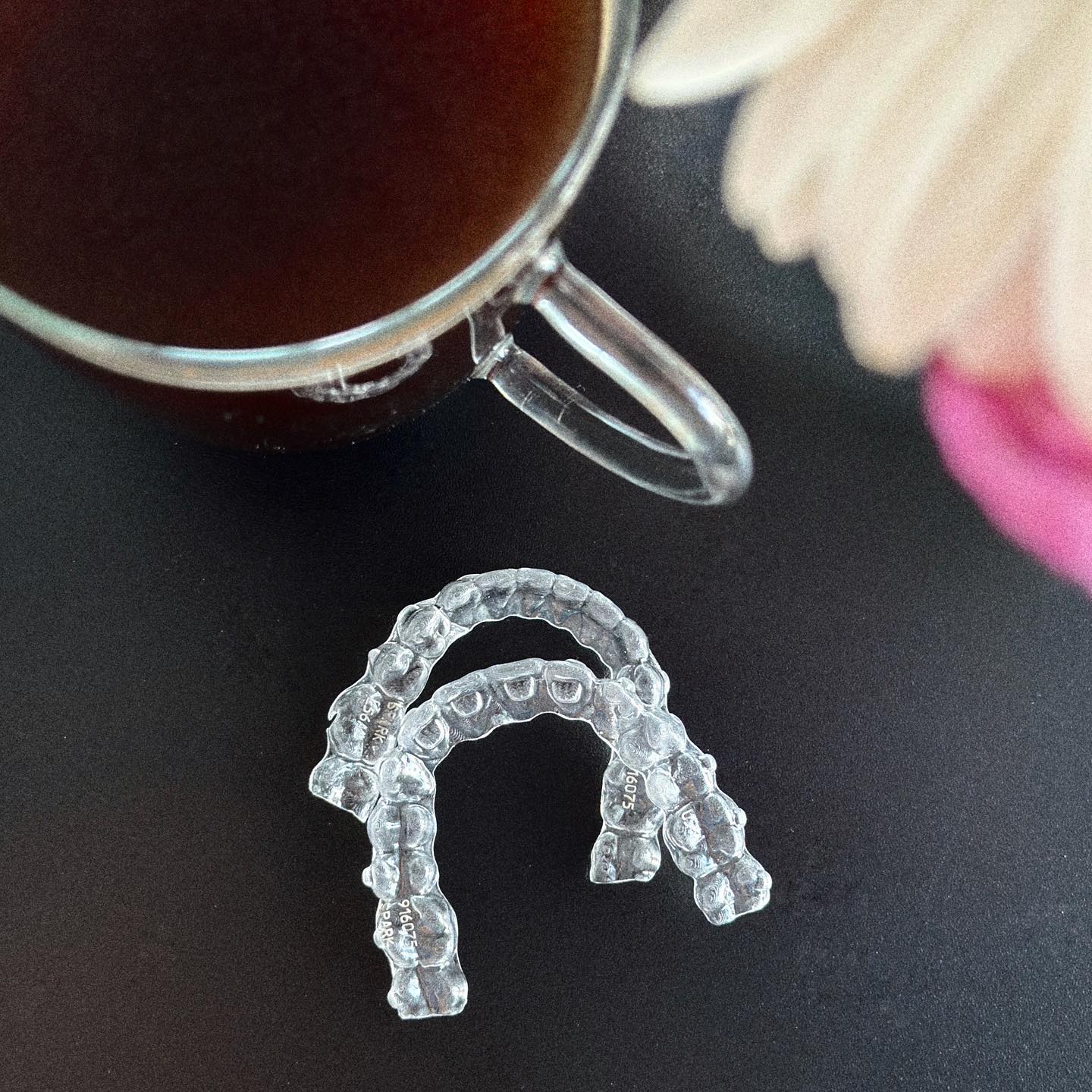
Orthodontic overlays (Clear Aligner, Invisalign, Spark) are the most comfortable and aesthetic method of orthodontic treatment, dedicated to people who want to avoid wearing classic fixed braces. They are made of a transparent material, perfectly matched to the teeth, which makes them virtually invisible.
How do orthodontic trays work?
Treatment with overlays involves gradually moving the teeth with a series of custom-fitted, clear aligners that the patient changes every 1-2 weeks. Each successive pair of aligners gently moves the teeth into the target position.
Key principles of overlay treatment:
- Wearing time – the caps should be worn a minimum of 22 hours a day, removing them only for eating and brushing teeth.
- Regular replacement of aligners – the patient receives a new set of fitted overlays every few weeks.
- Fewer follow-up visits – compared to traditional braces, treatment requires less frequent visits to the orthodontist.
Types of orthodontic overlays:
- Invisalign – one of the most advanced treatment methods, based on digital planning and precise fitting of overlays.
- Spark Aligner – an alternative to Invisalign, featuring high clarity and comfort.
- Clear Aligner – custom-designed overlays used to treat mild to moderate malocclusion.
Advantages of orthodontic overlays:
- Discretion – the transparent material makes them virtually invisible.
- Greater comfort – the absence of metal components eliminates the risk of irritation of the mucosa.
- Removable – easier oral hygiene, no dietary restrictions.
- Shorter treatment time – in many cases, the results are visible faster than with traditional braces.
- Digital treatment planning – the ability to see the end result even before treatment begins.

For whom? Adults and teenagers looking for an aesthetic and comfortable solution.
FAQ – Braces types – frequently asked questions.
Braces types – which one to choose?
The choice of the appropriate braces depends on the patient’s age, the degree of malocclusion and individual expectations for comfort and aesthetics.
- For children – the best are removable braces that help correct the bite at an early stage.
- For adolescents – fixed braces or orthodontic trays, depending on the type of defect and preference.
- For adults – modern orthodontic trays are an excellent alternative to traditional braces.
Summary – braces types and treatment time
Choosing the right orthodontic app liance depends on many factors, such as the age of the patient, the type of malocclusion, comfort and aesthetics. There are different braces types to suit individual needs: removable braces for children and adolescents, fixed braces for more complicated defects, and orthodontic trays that provide discreet and comfortable treatment.
How long does it take to wear braces? Treatment time varies depending on the method chosen and the complexity of the defect. On average:
- Orthodontic overlays – from 6 to 24 months,
- Fixed braces – 1.5 to 3 years,
- Removable braces – treatment time depends on age and type of defect.
Regardless of the method, the key is to tailor the treatment individually to the patient’s needs. Want to know more? Consult a specialist and find the best solution for your smile!
Phone: 71 880 90 50


